
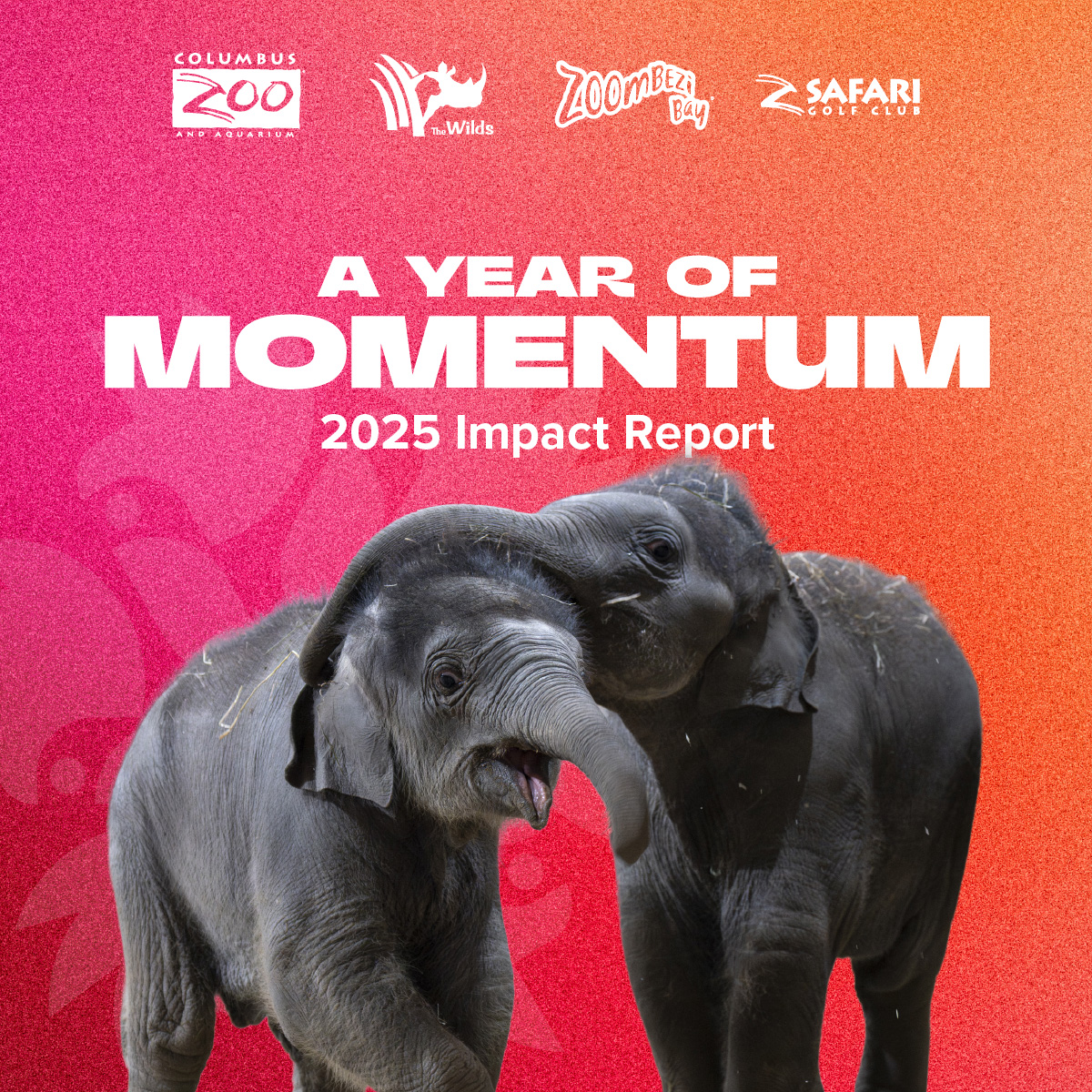
Celebrating Animals and Commmunities
Every birth, rescue, and conservation milestone reflects the expertise and care of our dedicated teams. In 2025, these moments strengthened our impact locally and globally, advancing conservation partnerships and helping build a stronger future for wildlife. Your visit to Safari Golf Club supports these efforts!

Golf With a Purpose
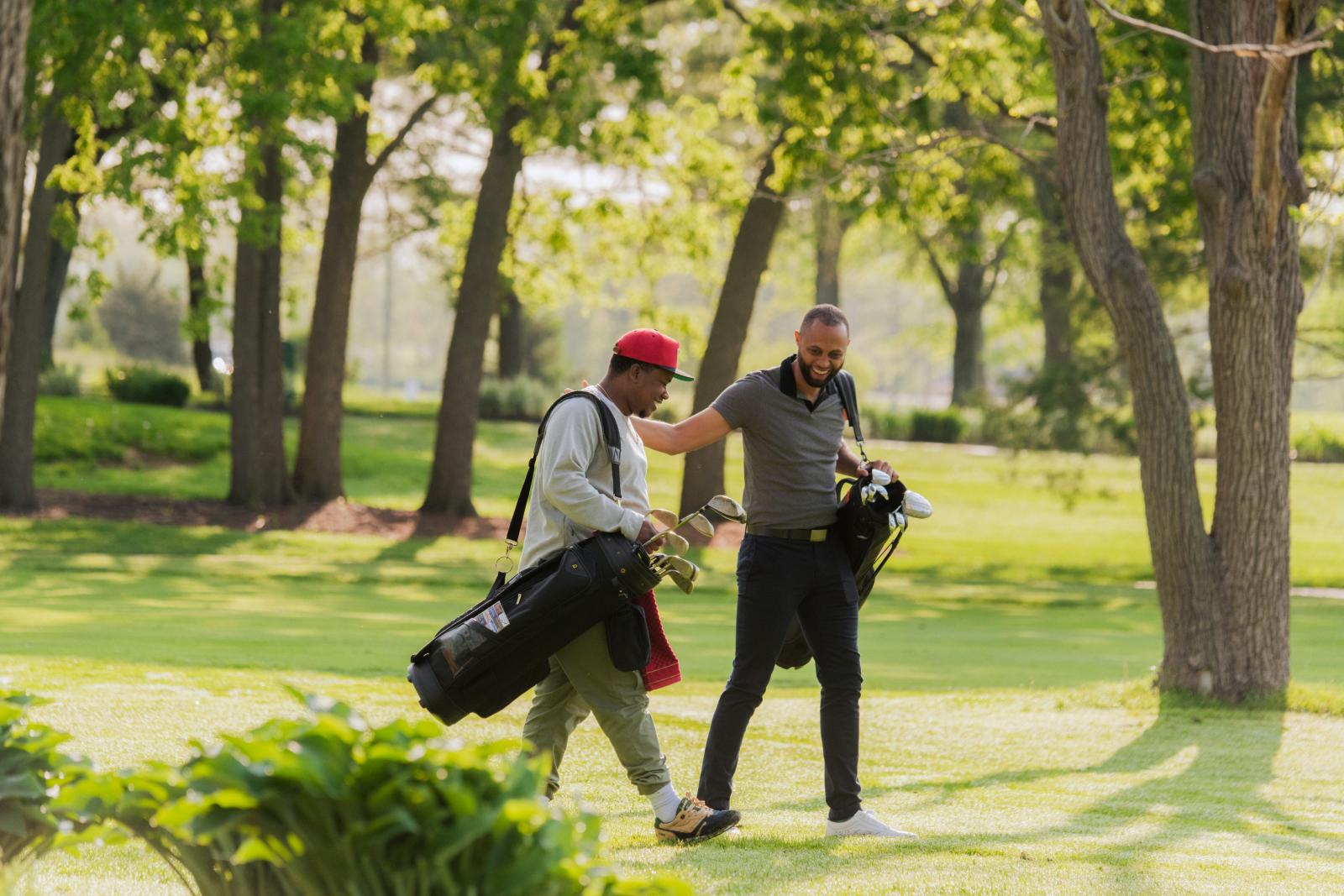
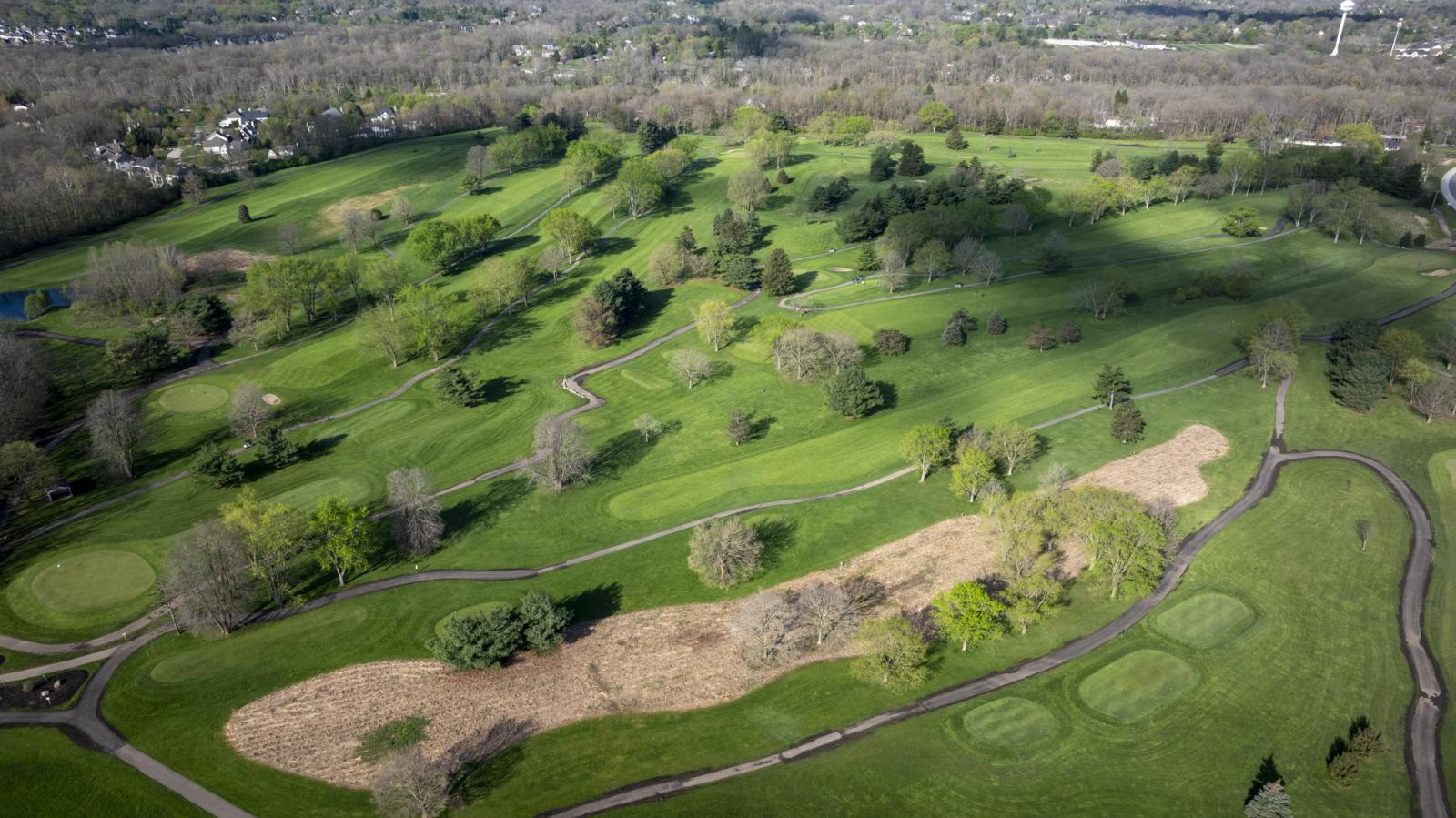
At Safari Golf Club, conservation is part of the course. From native habitats and nesting birds to monarch butterflies and conservation projects around the world, a round of golf helps support work that benefits wildlife and the places they depend on.
- Supporting Wildlife Conservation. Safari Golf Club works alongside the Columbus Zoo and Aquarium to support wildlife conservation. Revenue from the course helps support conservation efforts at the Columbus Zoo, The Wilds, throughout Ohio, and around the world. That connection is built right into the course. Each of Safari Golf Club’s 18 holes is named for an animal species connected to conservation efforts, giving golfers another way to discover the wildlife their visit helps support.
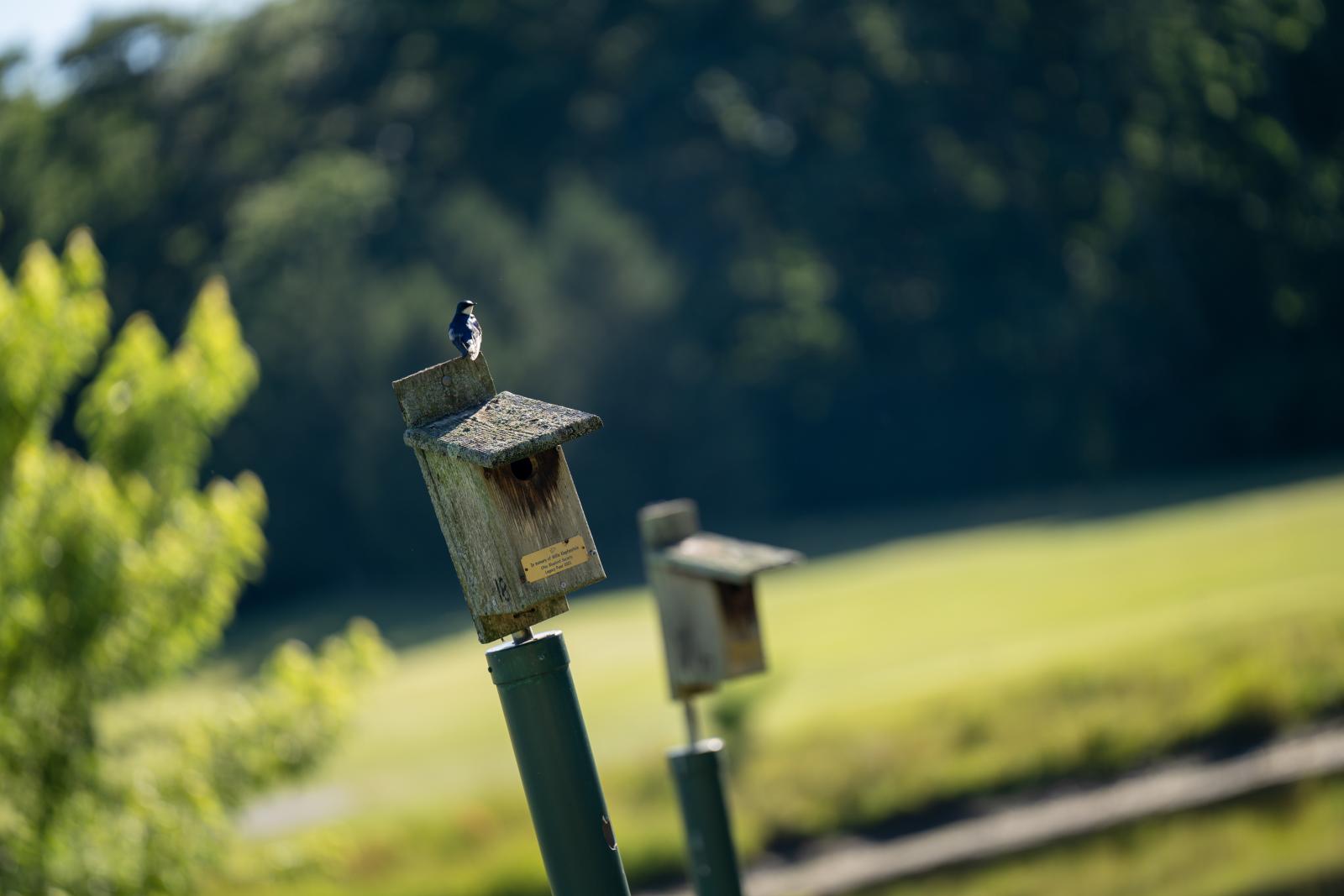
- Creating a Home for Birds. For decades, Safari Golf Club has provided habitat for birds that make their homes on and around the course. Artificial nesting structures support species including bluebirds and purple martins, while ongoing monitoring helps track the birds using them. Club managers have worked closely with Delaware Parks and NestWatch to monitor birds on the course for more than 25 years. These efforts have also earned Safari Golf Club the Ohio Bluebird Conservation Award.
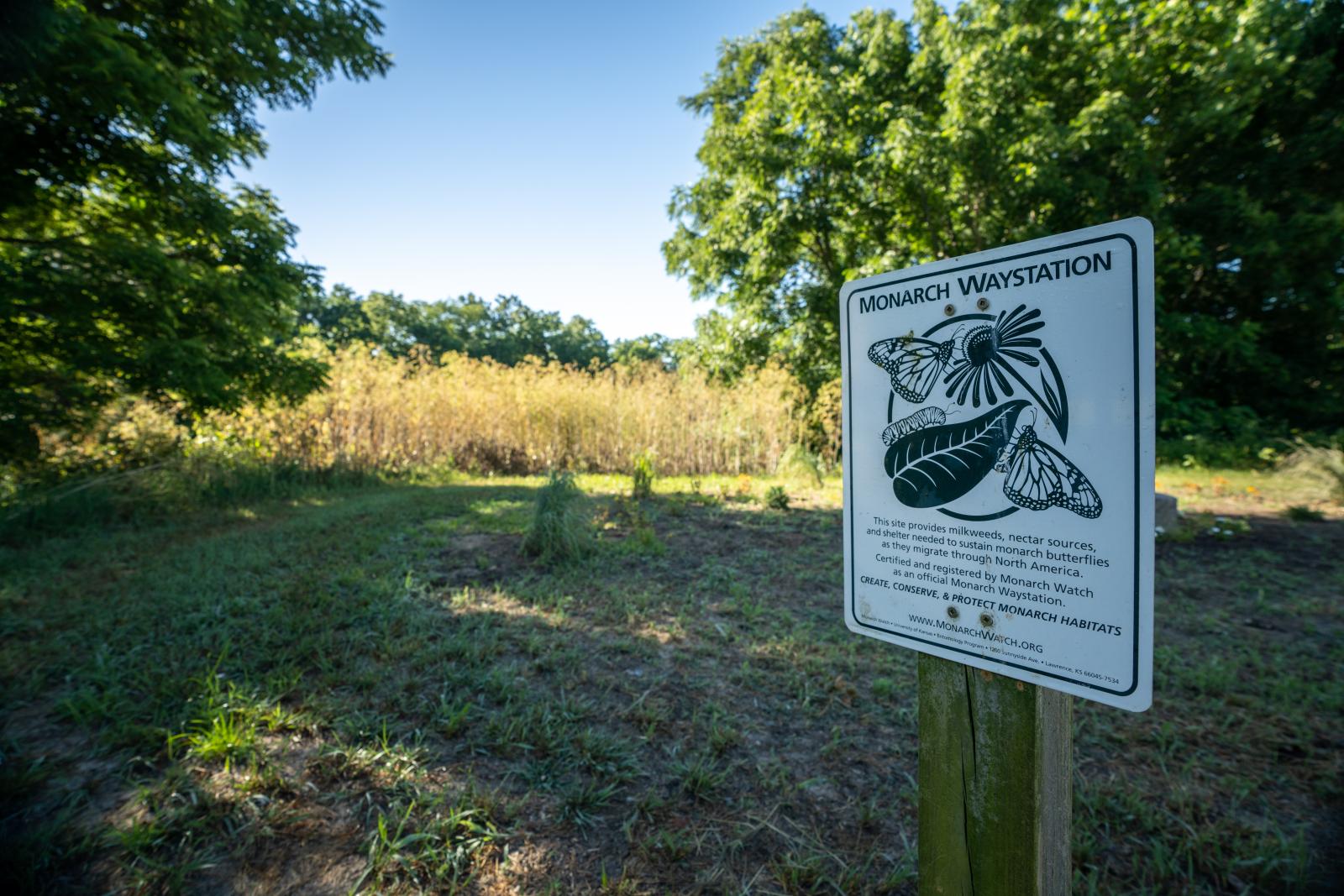
- Helping Monarchs Along Their Journey. Safari Golf Club also provides habitat for monarch butterflies during their annual migration. The course is home to Monarch Waystation #10909, known as “Gunner’s Run,” providing resources monarchs need along their remarkable migration route.
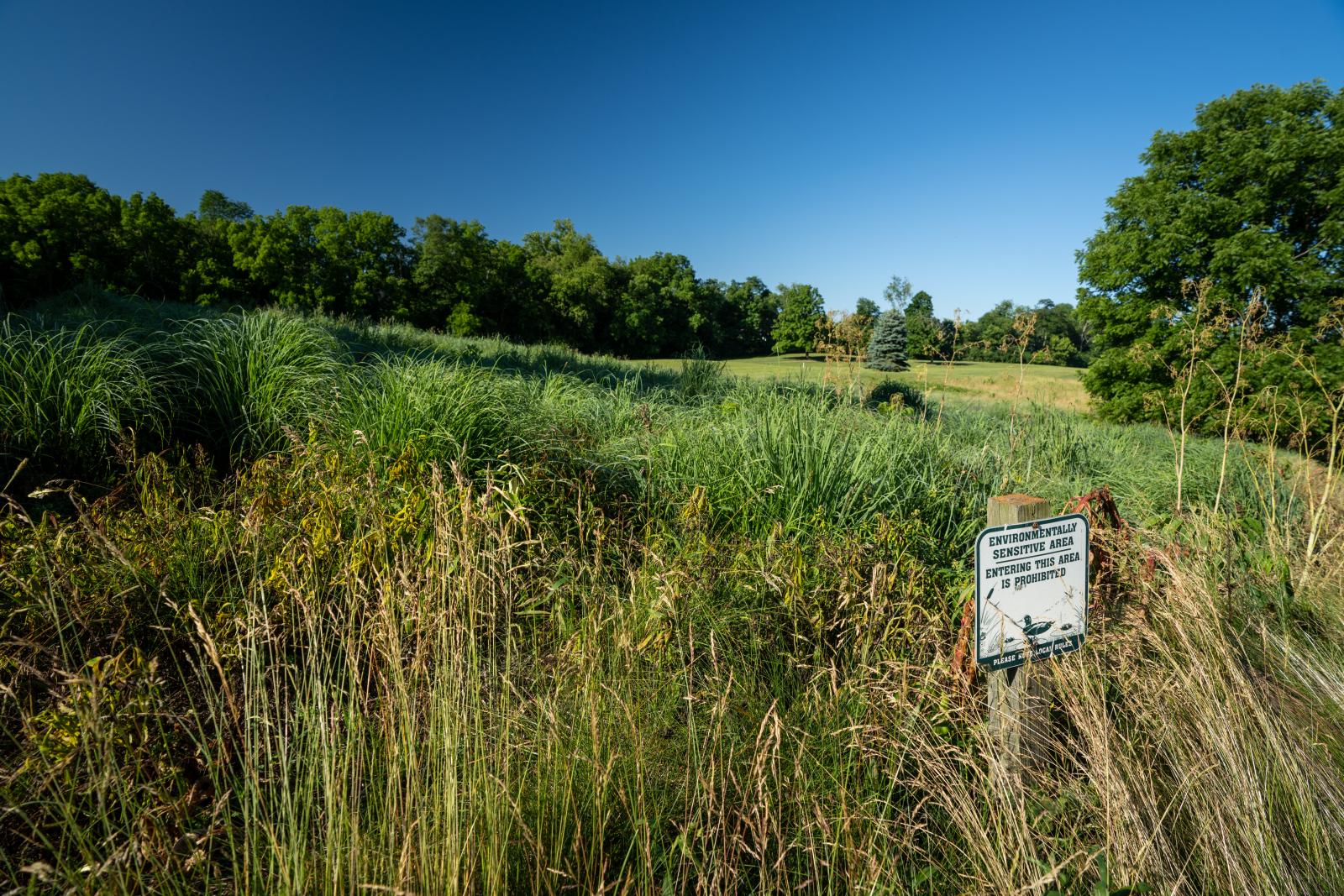
- Making Room for Native Habitat. Since 2013, six acres of Safari Golf Club have been designated as native areas, creating space for native plants to thrive. Management of these areas includes removing invasive, non-native vegetation and minimizing pesticide use.
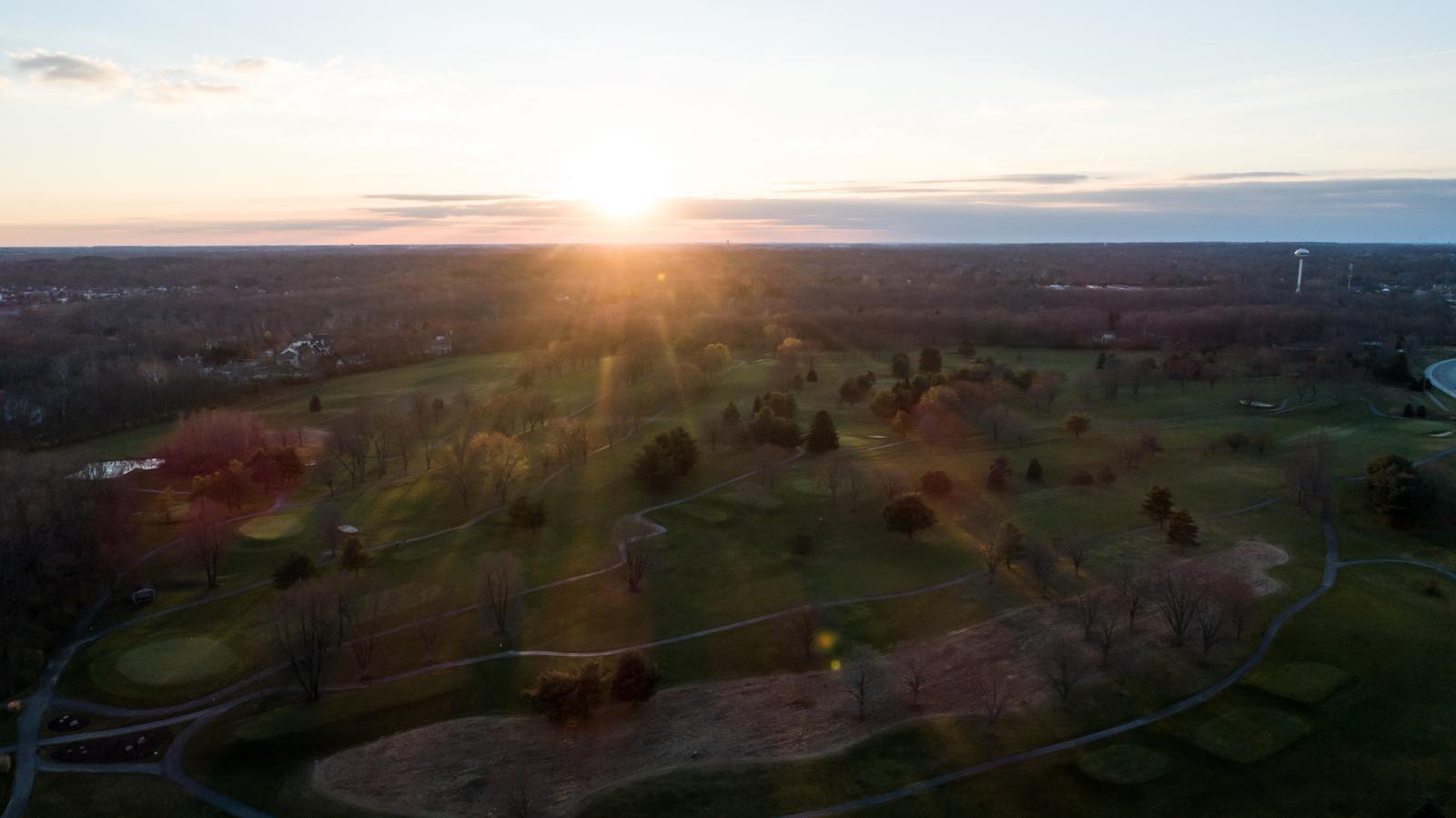
The course also uses electric golf carts, helping reduce its environmental footprint while golfers make their way through 140 acres of greens, fairways, and wildlife habitat.
A Certified Audubon Cooperative Sanctuary
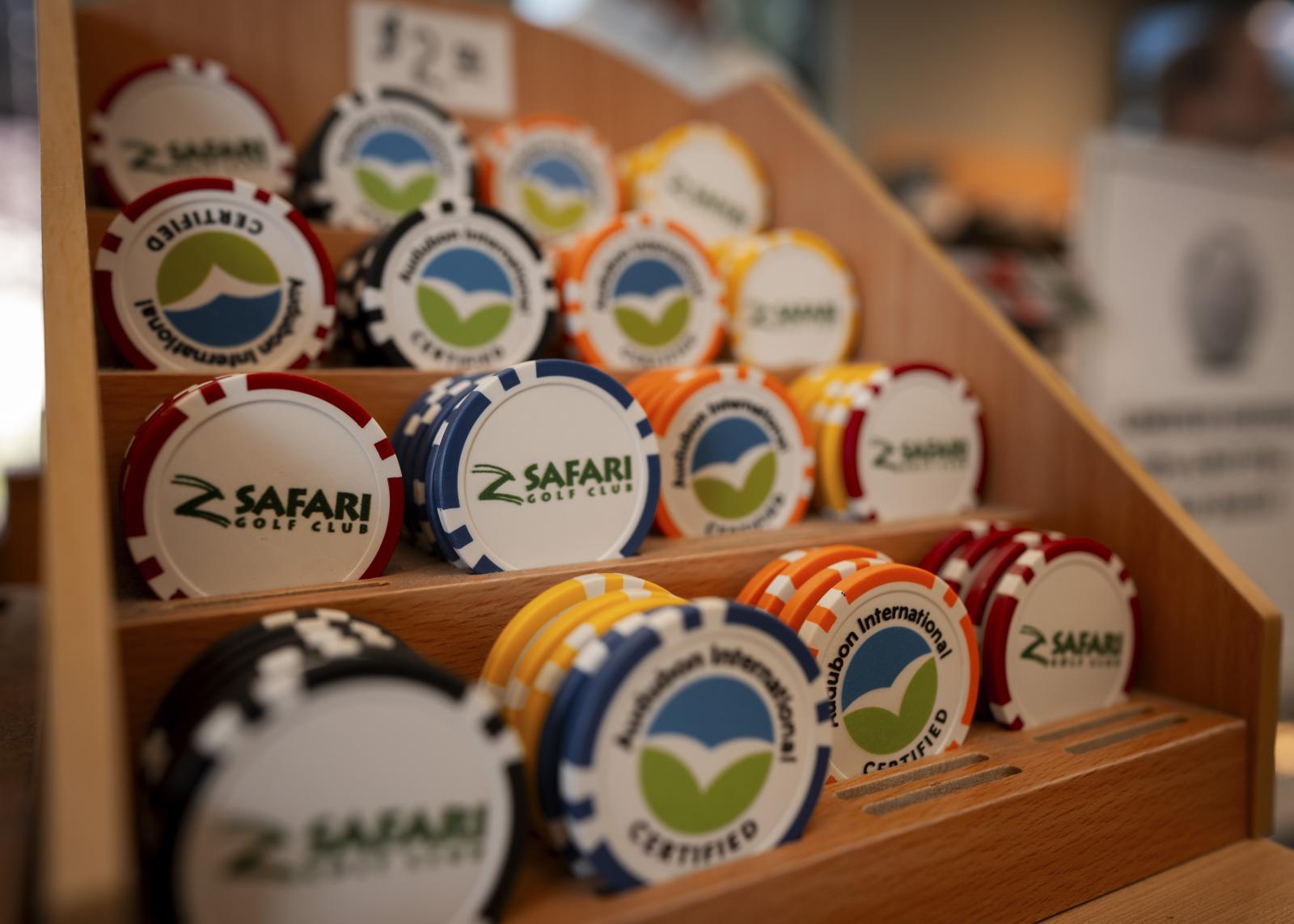
In 2018, Safari Golf Club earned designation as a Certified Audubon Cooperative Sanctuary through the Audubon Cooperative Sanctuary Program for Golf Courses.
The certification recognizes golf courses for environmental stewardship in areas including wildlife and habitat management, water conservation, environmental planning, and outreach.
Former Golf Course Superintendent Ted Hunker led Safari Golf Club’s certification efforts and was recognized by Audubon International for his commitment to environmental stewardship.
Here, a great day on the course can leave a positive impact long after the final putt.
Support Our Conservation Efforts Here
Learn More About the Animals Your Golf Game Supports
Hole 1 - The Cheetah
Your golf safari begins with a hole dedicated to the fastest land mammal in the world: The Cheetah.
With the capability to run quietly up to 60 mph, this great cat is one of the world’s most dangerous beauties. Statistics show that only approximately 6,700 cheetahs remain in the wild in Africa as they fall victim to poachers and the rapid shrinking of their savanna habitat.
The Columbus Zoo and The Wilds seek to maintain the conservation of cheetahs by participating in an international breeding program, incorporating cheetahs as ambassador animals in different outreach programs and supporting various conservation organizations, including the Cheetah Conservation Fund in Namibia and Cheetah Outreach in South Africa.
Hole 2 - The Giraffe
Your second stop at Safari Golf holds the record for the longest distance from the tee to the hole, which earns its namesake of the tallest mammal in the world: The Giraffe.
With populations in the wild having dropped 40% in just 15 years, the Columbus Zoo and The Wilds offer homes to reticulated giraffes. Giraffes in the wild face threats of habitat loss, civil unrest, poaching and ecological catastrophes like climate change. Both the Zoo and The Wilds have also partnered with an international breeding program and supported the actions of the Giraffe Conservation Foundation (GCF) in Africa to aid in the survival of the species.
Hole 3 - The Turtle
The third hole at Safari Golf earns its namesake due to a noticeable crowned middle that is reminiscent of a turtle’s shell; not to mention, you may also be able to spot one enjoying the freshwater pond.
Eighteen percent of the world’s freshwater and terrestrial turtles can be found in the United States, with 12 species existing in Ohio. The water-loving reptiles are being threatened worldwide because of habitat loss and illegal harvesting for the turtle meat trade.
The Zoo provides a home for many species of turtles including the snake-necked turtle, Malaysian giant turtle, leaf turtle and Fly River or pig-nose turtle. They have also partnered with the Turtle Survival Alliance (TSA) to support research, education on how to handle threats, and to rescue illegally-collected turtles.
Hole 4 - The Ray
Smooth-surfaced rays can be found along tropical and subtropical coasts all around the world, with an approximate 220 different species residing in those waters.
These bottom-dwelling sea creatures are a distant relative to sharks, with gills placed on either side of their head similar to their cousins. Rather than possessing sharp teeth, stingrays rely on their barbed tails as a form of self-defense.
With so many sharks and rays disappearing due to overfishing, The Columbus Zoo provides a loving home for many of these creatures, including the cownose rays and southern stingrays. The Zoo also works alongside the International Union for the Conservation of Nature Shark Specialist Group and provides assistance in the research of scalloped hammerhead sharks in Costa Rica.
Hole 5 - The Burying Beetle
Once tunneling their way through central and eastern parts of the United States and Canada, this burrowing insect can only traverse 10% of their habitat home.
The Wilds proudly stands as one of the few facilities to breed the burying beetle and reintroduce the beautiful creatures back into Ohio, where over 7,000 are now estimated to live.
Hole 6 - The Gibbon
A white-handed gibbon will make its presence known to all by sounding off at its post in the Zoo’s Australia and The Islands area. While classified as creatures of the land, these Asian rainforest apes utilize their long arms to swing across the treetops, rarely reaching the forest floor.
The gibbons’ habitats endure numerous threats including loss for agriculture, road construction and oil palm plantations. You can do your part to save the gibbons and other Asian apes by investing in brands endorsed by the Roundtable on Sustainable Palm Oil.
Hole 7 - The Rattlesnake
Snakes are an important part of nature, even here in Ohio.
The eastern massasauga rattlesnake, an endangered species in Ohio and eight other states, is forced to defend against habitat loss and fragmentation, human persecution and illegal collecting. Columbus Zoo teams are currently observing these timid, yet venomous, reptiles at facilities in Michigan. While they may not appear the friendliest, all a snake desires is to be left alone. You can also visit a variety of snake species in the historic reptile building at the Zoo.
Hole 8 - The Takin
The Sichuan takin hails from the mountains, forests and valleys of western China.
This species of wooly ox-goat faces off against overhunting and the loss of forests in its native range. The Wilds hosts the largest breeding herd in North America! Researchers at The Wilds are currently working with this massive herd to develop anesthesia, VHF and satellite tracking methods to study takin behavior at the Tangjiahe Reserve in China.
Hole 9 - The Great Blue Heron
This hole is appropriately named for the likelihood of players spotting a great blue heron as they reach their outing’s halfway mark. This graceful avian stands tall in the water as it utilizes its sharp beak to snag fish, snakes, frogs and other small animals for sustenance.
Although the heron is common in Ohio now, in the late 1800s, they were threatened by hunters for the millinery trade. While they are thriving now, you can still contribute to the protection of herons and other water birds by maintaining ponds and wetlands.
Hole 10 - The Painted Dog
This five-toed African predator claims the south of the Sahara Desert as its domain. The colorful species; however, has become endangered due to habitat loss, hunting, poisoning and diseases from domestic animals.
The Wilds leads the conservation charge for the painted dogs by providing a safe home for them. The Columbus Zoo Fund for Conservation also does its part by supporting the protection and monitoring of these animals and the education of others on the painted pups in Zambia, Tanzania and other African countries.
Hole 11 - The Bluebird
The eleventh hole is where you will be able to spot a bluebird nestbox attached to a nearby tree. With the combined efforts of volunteer builders and monitors, Safari Golf Club, the Columbus Zoo Freshwater Mussel Facility and The Wilds have assisted in a comeback for the eastern bluebird.
Records show that there may be 400,000 of these birds in Ohio alone! You can contribute to the cause by building your own bluebird nestbox! The Ohio Bluebird Society provides instructions on how to build one.
Hole 12 - The Rhino
The rhino may personify strength and thick skin (literally), but they still face ongoing threats in the form of poaching for their valuable keratin horns (the same material as human hair and fingernails).
The Zoo and The Wilds do their part in the conservation of rhinos by providing a sanctuary for three different species: the black rhinoceros, white rhinoceros and greater one-horned rhinoceros. The two organizations have also partnered with other zoos worldwide and other conservationists like the International Rhino Foundation for breeding programs and to support field work, education, and law enforcement in Africa and Asia.
Hole 13 - The Tree Kangaroo
Staring down from the treetops within the Zoo’s Australian Roadhouse, you will discover Matschie’s tree kangaroos. Conflicting with their land-dwelling counterparts, the tree kangaroos prefer a life of solitude to group gatherings.
Currently, there exists less than 2,500 of this species left in their native habitat because of unsustainable hunting. The Columbus Zoo Fund for Conservation attempts to bolster these dwindling numbers by partnering with the Tree Kangaroo Conservation Program in Papua New Guinea. The two organizations work with locals to protect the ten species of tree kangaroo that reside in the area.
Hole 14 - The Monarch Butterfly
The fourteenth hole lies near our butterfly way station, a plot of land abundant in milkweed and other native plants to create an ideal space for monarch butterflies to rest during their migration to Mexico. The brilliant insects can be seen in all of Ohio's counties!
Even though they are present from May to October, they are most commonly spotted in late summer during their fall migration.
Hole 15 - The Gorilla
Gorillas hold a special place in the heart of the Columbus Zoo, where the first gorilla was born into professional care. Colo entered the world on December 22, 1956, and lived until the age of 60, where she went on record as the oldest gorilla in human care, far outliving her species in the wild.
The Zoo also prides itself on housing one of the largest Western lowland gorilla groups in North America and works alongside Partners In Conservation (PIC) to protect gorillas that make Central Africa their home.
Hole 16 - The Bear
Eight species of bears roam the world's landscapes, with four of them represented at the Columbus Zoo... black bears, brown bears, polar bears and sloth bears.
Every species of bear faces a challenge that threatens their existence. Polar bears rely on sea ice for hunting food and denning, but this process has been challenging because of increasing climate change. The Zoo has found major success with polar bear breeding, with its footage of denning behavior being utilized by researchers in the Arctic! They've also partnered with organizations such as Polar Bear International to continue advocating for conservation efforts.
Hole 17 - The Bald Eagle
This national symbol may be seen gazing down upon this hole from the tops of the trees or from the skies above... or watching over you when you sink that birdie.
The Columbus Zoo hosts an aviary that houses non-releasable bald eagles in a safe and nurturing environment. You can visit them in the Zoo's North America Trek region.
Hole 18 - The Hellbender
Located near a small creek, your final destination is named after the distinct hellbender! This unique-looking amphibian is the second-largest salamander in the world and is found in small bodies of water throughout Ohio, West Virginia and other areas along the Ozark and Appalachian Mountains.
Sightings have become rare due to pesticides, silt and other threats to their freshwater ecosystems. The Columbus Zoo and The Wilds have teamed up with various organizations to breed, release and study the hellbenders, and they're also available to see within the Zoo's historic reptile building in the Shores and Aquarium region.